
Bumper, Scratch & Scuff Repair

A parking-lot impact can leave a scuff, a cracked cover, or damage that extends behind the bumper. An assessment helps separate surface repair from work involving mounts or other components. Contact a SAC Group location to discuss the damage before deciding whether repair or replacement is appropriate.
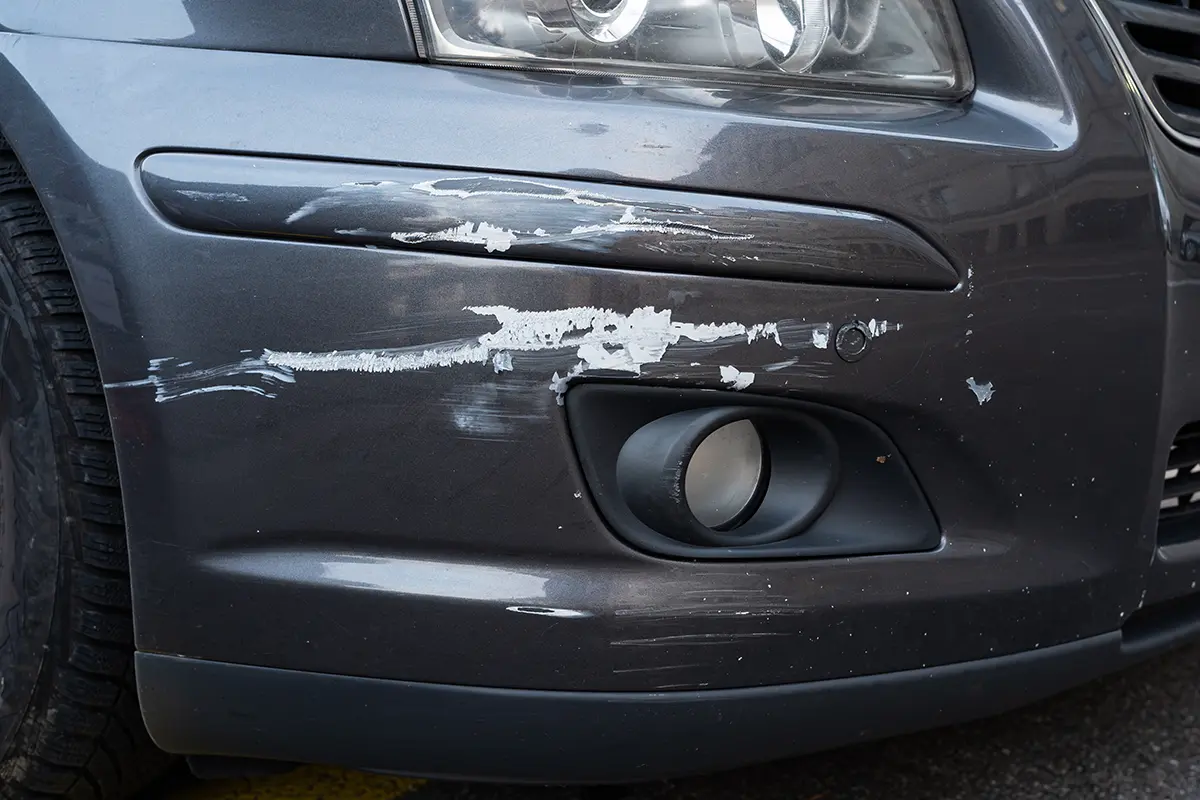
Close up showing collision damage and scraped paint on a car's front bumper.

Repair, Refinish, or Replace?

The repair plan depends on the material, damage location, attachment points, and the vehicle manufacturer’s requirements. Some bumpers also house sensors or sit in front of detection equipment. The visible mark is only one part of the assessment. Tell the shop about warning messages, loose parts, or changes after the impact.
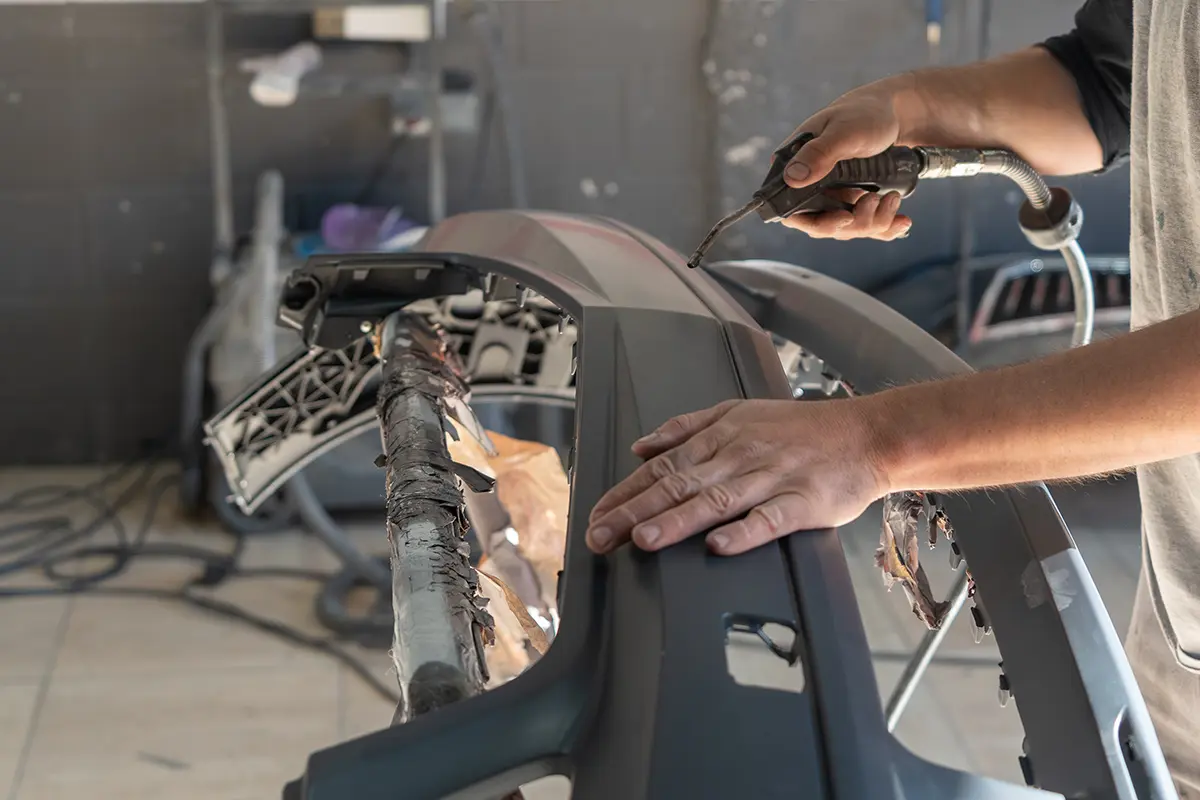
Auto body technician repairing a detached car bumper on a work stand.

Prepare for the Assessment

  1. Take a wide view showing the damaged corner or panel.
  2. Add close-ups of scuffs, cracks, gaps, and loose attachments.
  3. Report warning lights or unusual behavior after the impact.
  4. Ask what the estimate covers, including any vehicle-specific checks.

Choose a SAC Group Location

Find direct contact details for our shops in Somerville, Medford, and Everett. Confirm this service’s availability, vehicle suitability, and appointment arrangements with the location before visiting.

Common Questions

Can every bumper be repaired?

No. Material, damage, mounting points, and manufacturer requirements can limit repair options. The shop should assess repairability before recommending a method.

Will a scratch buff out?

That depends on how deeply it affects the finish. Surface marks and deeper paint damage require different approaches.

Why mention parking sensors?

Bumpers may be near sensors or other driver-assistance equipment. The shop needs to know about warning messages and the impact location when planning the assessment.

Start With Photos

Choose a shop and call to discuss the damage, ask about an estimate, and arrange the next step. Have the vehicle’s year, make, model, and any claim reference available.